
We Are Closed Wednesdays and Sundays

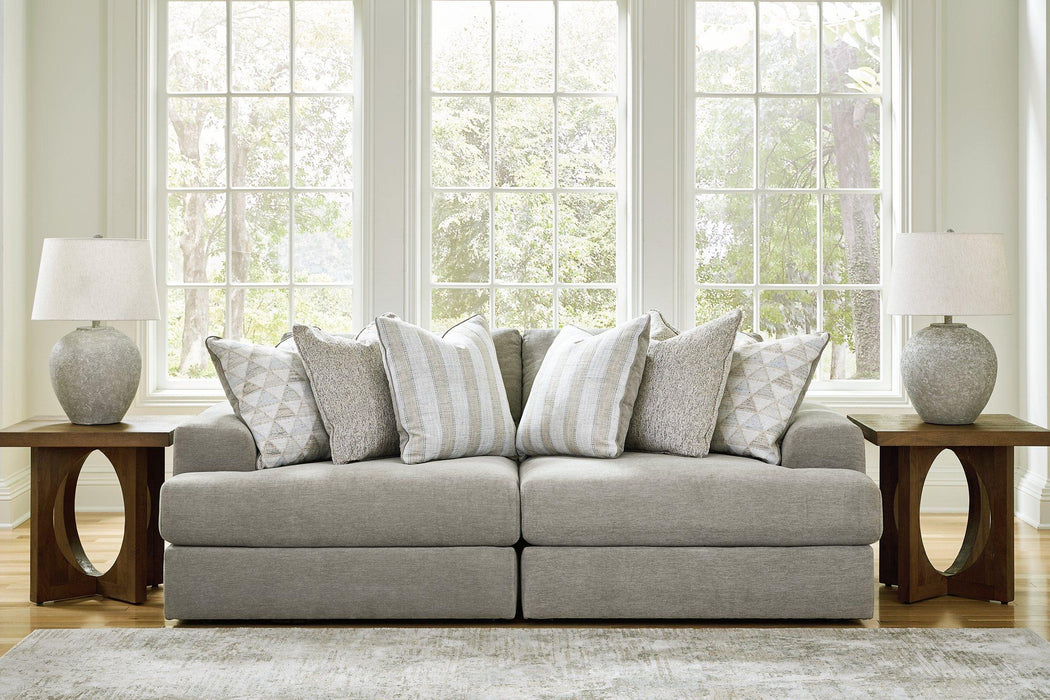
Choosing living room furniture that feels just as comfortable in January as it does in July, without requiring a full seasonal makeover, is entirely possible. The key is selecting pieces with the right scale, materials, and flexibility from the start.
Most homeowners run into the same problems when their room doesn’t work across seasons: fabrics that feel sticky in summer heat, dark, heavy layouts that feel gloomy during winter months, or bulky furniture pieces that make holiday gatherings awkward and cramped. These issues are preventable with the right approach.
This guide will give you concrete rules, dimensions, and material tips so you can choose furniture once and have it work for every season. While the focus is on typical living rooms between about 12’x16’ and 15’x20’, these principles also apply to small living rooms in apartments and large living room spaces in open floor plans.
What you’ll learn:
How to assess your year-round lifestyle needs before buying anything
Specific measurements and spacing guidelines for flexible layouts
Sofa dimensions, upholstery choices, and construction details that work in all weather conditions
Seating combinations that adapt for daily use and entertaining
Rules for coffee tables, side tables, rugs, lighting, and storage that keep your space fresh across seasons
Before you pick furniture or browse a single catalog, take an honest look at how you actually use your own living room throughout the entire year. What happens in that room during a typical January week is probably quite different from a typical July week, and your furniture needs to support both.
Grab a notebook and list your activities for each season. In winter, you might cluster around the TV for movie nights, host family gatherings, or work from home with a laptop on the sofa. In summer, you might prioritize flow to the patio, keep the room cooler and more open, or use it mainly for quiet reading in the evenings.
Answer these questions before you buy anything:
What are your top 3–4 activities in the living room during cold months?
What are your top 3–4 activities during warm months?
How many people use the room on a typical day versus at holiday gatherings?
Does the room serve double duty as a family room, TV room, home office, or play area?
What’s your most common seating arrangement, watching TV together, conversation with guests, or solo relaxation?
Here’s a concrete example: A 14’x18’ living room in a 1980s home needs to function as a TV room for daily use (requiring 8–10 feet between the sofa and a 55-inch screen to prevent eye strain), a play area for kids (needing open floor space), and a gathering spot for 8–10 people during December holidays. That’s a lot to ask from one room, and industry surveys show that homes with mismatched furniture priorities report 30% higher dissatisfaction with their living space.
A family that hosts every December but works from home daily in the spring has different needs than someone who mostly uses the room for weekend lounging. The goal is furniture that handles your top 3–4 activities gracefully, without needing to rearrange everything when the calendar changes.
Furniture that works year-round starts with the correct scale. Pieces that are too large for your room size become impossible to rearrange for parties, extra seating options, or simply opening up the space when summer arrives.
Before you shop, measure your full room dimensions plus the exact locations of every fixed element: doors (note which way they swing), windows, radiators (which need 6–12 inches clearance), floor vents (minimum 4 inches clearance), and fireplaces. A common example is a 12’x16’ room (192 square feet) with two doorways on opposite ends and a central window, which is a realistic starting point for most suburban homes.
Specific spacing guidelines for your living room layout:
|
Element |
Recommended Measurement |
|---|---|
|
Main traffic walkways |
30”–36” wide |
|
Secondary paths (tight spaces) |
18”–24” wide |
|
Conversation circle diameter |
Within 8 feet for easy talking |
|
Sofa to coffee table distance |
16”–18” |
|
Furniture clearance from radiators |
6”–12” |
|
Furniture clearance from floor vents |
Minimum 4” |
When placing your main furniture piece, such as a sofa, against a wall, use the 2/3 rule: aim for the sofa to be about two-thirds the length of the wall for balanced proportions and optimal room flow.
Here’s the key insight: plan at least two layout ideas on paper before buying. Sketch a “cozy cold-weather” setup with seating arrangement closer together and focused on your focal point (TV or fireplace, with the sofa angled 10–15 degrees inward). Then sketch a “summer open” setup with pieces shifted 12–18 inches apart for better airflow and easier traffic flow to patios or balconies. Placing your main sofa or anchor piece along a long wall can help optimize flow and seating placement, especially in rectangular rooms.
Choose furniture shapes that make switching between layouts easy. A straight sofa (80–90 inches wide) plus two chairs offers far more flexibility than an oversized sectional (110+ inches), which can restrict rearrangement by up to 40% in rooms under 200 square feet. Modular sofas can split the difference, offering adaptability without sacrificing comfort.
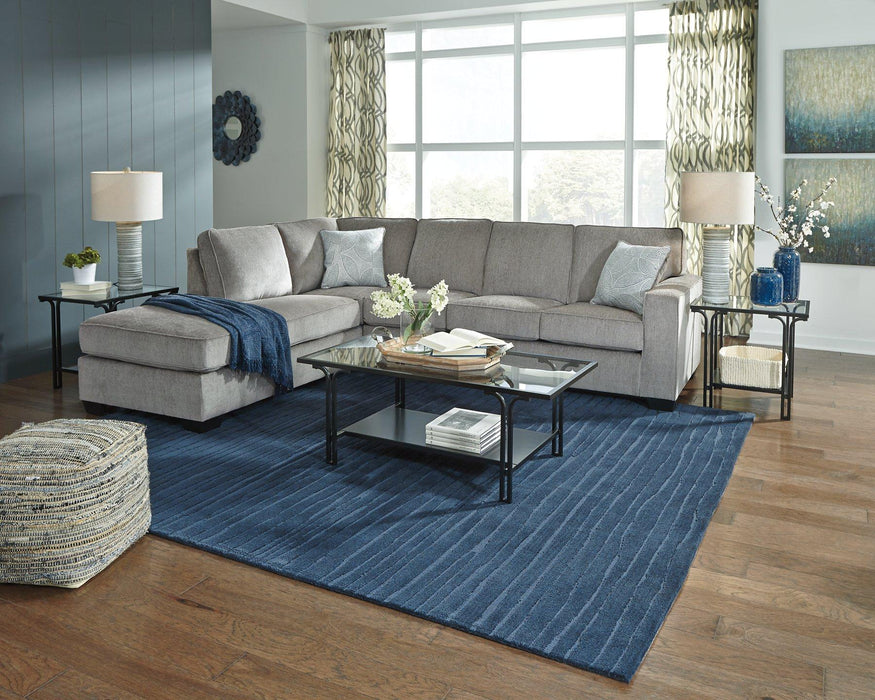
Every well-designed living room needs a focal point, a feature that draws the eye and gives the space a sense of purpose and harmony. Whether you’re styling a formal living room for elegant gatherings or a family room for everyday relaxation, a thoughtfully chosen focal point can transform your living space and make it feel inviting all year long.
Start by identifying what naturally stands out in your room. In many homes, a fireplace, a large window with a view, or a striking piece of wall decor can serve as the anchor. If your room doesn’t have a built-in feature, you can easily create one with the right furniture pieces. For example, a bold coffee table in solid hardwood or a round coffee table with unique detailing can become the centerpiece of your seating arrangement. In a large living room, a modular sofa or sectional can define the main gathering area, while in a small space, a pair of accent chairs or a storage ottoman can create a cozy, functional hub without overwhelming the room.
Balance is key. Flank your focal point with accent chairs or a sleek console table to create symmetry and enhance visual interest. Use the 60-30-10 rule to guide your color choices: let 60% of the room feature a dominant color (often found in your sofa or rug), 30% a secondary shade (perhaps in your accent chairs or curtains), and 10% a pop of accent color through throw pillows or decorative objects. This approach keeps your living room feeling cohesive and fresh, no matter the season.
Don’t underestimate the power of natural elements. A potted plant or a vase of fresh flowers on your coffee table or console table instantly brings life and movement to the space, making your focal point feel dynamic and welcoming. For year-round durability and comfort, choose high-quality materials like performance fabrics and solid hardwood frames. These not only look great but also stand up to daily use and seasonal changes.
Ultimately, your focal point should reflect your personal style and the way you use your living room. Whether you prefer the clean lines of mid-century modern or a more eclectic mix, anchoring your room with a standout feature ensures your space feels intentional and inviting throughout the year. With a little planning and the right furniture, you’ll create a living room that’s both beautiful and functional, season after season.
The sofa is usually your biggest investment in room furniture, often 40–60% of your total budget, and it gets daily use in both blazing August heat and freezing January nights. Its comfort, fabric, and proportions matter far more than trendy shapes.
For most rooms between 12’x16’ and 15’x20’, a mid-scale sofa between 80”–90” wide hits the sweet spot. This size leaves room for other furniture pieces while still providing enough seating for daily use and small gatherings.
Seat depth is critical for year-round comfort. Aim for 21”–23” from the front edge of the cushion to the backrest. This range lets you sink in for winter movie nights but also sit upright comfortably for summer conversations or working on a laptop. Very deep seats (26” or more) feel cozy in cold weather but trap body heat in summer, making it harder for guests to get up, and generally score 15–20% lower in satisfaction surveys for mixed-use homes.
Fabric choice determines whether your sofa feels sticky in August or scratchy in December. Here’s what works:
|
Fabric Type |
Year-Round Performance |
|---|---|
|
Performance linen blends (60/40 cotton-linen) |
Excellent breathability, wicks 20% more moisture than synthetics alone |
|
Tight-weave microfiber (Olefin-based) |
Resists fading under 1000+ hours of UV exposure, easy to clean |
|
Performance fabrics with stain resistance |
Handles humidity fluctuations, moisture-wicking |
|
Medium-tone leather |
Works year-round if paired with breathable throws; avoid very dark or shiny finishes |
Avoid pure leather in humid climates; it absorbs 10–15% of body heat when humidity exceeds 60%, making summer evenings uncomfortable. If you love the leather look, stick to medium tones and add lightweight throws in warm months.
Color recommendations: Neutral, mid-tone colors like warm gray, sand, oatmeal, or greige extend your sofa’s visual lifespan by hiding wear 2–3 times longer than dark hues. Dark colors also visually compress a space by 10–15%, which makes winter gloom feel even gloomier.
One more tip: pull your sofa 3”–5” off the wall, even in a small space. This gives the piece breathing room, enhances air circulation (reducing dust buildup by about 25%), and makes the layout feel airy in summer without feeling cramped in winter.
Quick sofa checklist:
Width: 80”–90” for typical rooms (under 60% of room length)
Seat depth: 21”–23” for mixed lounging and upright sitting
Frame: Solid hardwood frame with kiln-dried hardwood frames for durability
Cushion core: High-density foam (2.0–2.5 pounds per cubic foot) with down wrap for shape retention
Fabric: Performance fabrics with 50,000+ double rub abrasion resistance
Color: Warm neutrals for longevity and seasonal styling flexibility
A large sofa alone won’t carry you through movie nights, game nights, extra holiday guests, and solo reading sessions. Movable pieces, accent chairs, stools, and lightweight benches are what let your room adapt to different seasons and activities.
The magic is in combinations. Instead of one massive sectional that dominates the room and can’t be rearranged, build a seating arrangement with several pieces that can shift positions as needed.
Year-round seating formulas by room size:
|
Room Size |
Recommended Combination |
Total Seating |
|---|---|---|
|
12’x16’ (small to mid) |
1 standard sofa (84”) + two chairs (24”–30” wide each) + 1–2 small stools or cubes |
6–8 people |
|
14’x20’ (mid to large) |
1 L-shaped sectional (~110”x80”) + 2 swivel chairs that can angle |
8–10 people |
|
10’x12’ (small space) |
1 loveseat (~60”) + 2 compact accent chairs |
4–5 people |
|
15’x20’+ (large living room) |
Two sofas facing each other or two couches in L-configuration + large chair + stools |
10+ people |
Why swivel chairs matter: Having at least one or two chairs that can rotate lets you easily shift the room’s focus from TV watching to window views to fireplace gatherings. In winter, angle chairs toward the fire. In summer, rotate one toward the window for natural light and breezes. This simple adjustment makes the same furniture feel appropriate for completely different seasonal moods.
Seat height harmony is essential. Keep all seating within about 4 inches of each other. A sofa at 18” seat height pairs well with chairs between 17” and 21”. Variances greater than 6 inches disrupt posture and visual flow, making the seating area feel awkward year-round.
Choose at least one chair with a lighter, airy frame, legs visible rather than skirted, to keep the room from feeling heavy in summer. Visible legs (6–8 inches in height) reflect about 20% more light, which counteracts the visual weight that can make warm-weather rooms feel oppressive.
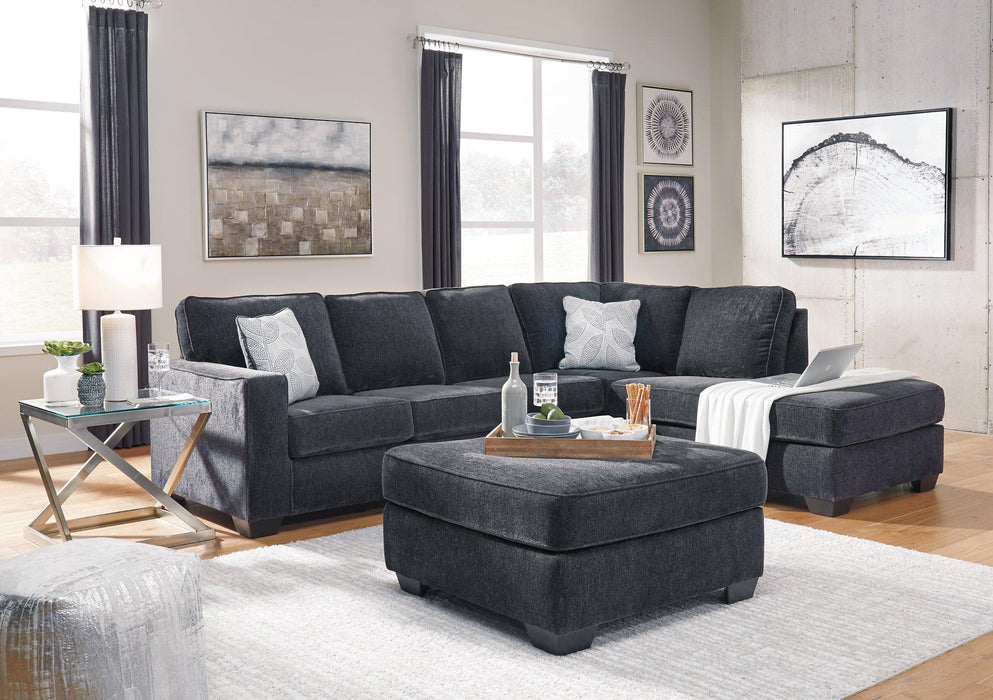
Your coffee table and end tables need to support daily habits. holding the remote, a coffee mug, and your laptop, while also handling seasonal demands like board games in winter, holiday snacks in December, and extra drinks when guests arrive.
Getting dimensions right prevents the frustration of a table that’s too small to be useful or so large it blocks natural pathways.
|
Measurement |
Guideline |
|---|---|
|
Length |
At least half the sofa length, ideally two-thirds (e.g., 48”–54” for an 84” sofa) |
|
Height |
Within 2” of sofa seat height, usually 16”–18” |
|
Distance from the sofa |
16”–18” for comfortable reach without obstruction |
Shape recommendations based on room layout:
Rectangular or oval tables work best in a long living room or narrow space, enhancing flow by 10–15%
Round coffee tables or square tables suit more square rooms, sectional U-shapes, or high-traffic areas. They reduce stubbed toes by about 40% compared to sharp corners
A sturdy storage coffee table or lift-top table can pull double duty as a year-round work surface, board game table, and winter hot-drink station. The key is choosing finishes that don’t feel visually heavy, matte wood tones or stone tops regulate perceived room feel better than glossy dark finishes.
Side tables should align roughly with sofa arm height (within 2”–3”, typically 24”–26” high) so drinks and table lamps are easy to reach. Avoid tables deeper than your sofa’s depth; they’ll protrude awkwardly and block traffic.
Materials that transition well through seasons include:
Light or medium wood tones
Matte metal bases (offering 20+ year lifespans)
Stone or ceramic tops with thermal mass that regulates surface temperature
Avoid overly glossy dark finishes that show every fingerprint and feel heavy
Concrete example: An 84” sofa pairs well with a 52” oval coffee table and two 18”-diameter round side tables. This combination provides enough surface area for daily use and entertaining without overwhelming a 12’x16’ room.
Textiles are what make a room feel warm in December and breezy in June. The right base pieces, area rugs, sofa fabric, and chair upholstery let you swap only small accessories seasonally rather than overhauling the entire space. Area rugs can also be used to visually define seating areas within the living room, helping to organize the space and make it more inviting.
When choosing a rug, size matters. The key rule: at least the front legs of all main seating should sit on the rug. Your area rug should be large enough for at least the front legs of the sofa and all chairs to rest on top of it.
|
Room Size |
Recommended Rug Size |
Floor Showing at Edges |
|---|---|---|
|
12’x16’ |
8’x10’ |
10”–18” from walls |
|
15’x20’ |
9’x12’ |
Up to 24” from walls |
|
Small apartments |
5’x8’ or 6’x9’ |
Proportional to space |
The key rule: at least the front legs of all main seating should sit on the rug. This anchors the seating arrangement and creates visual cohesion.
Year-round rug materials:
Low- to medium-pile wool blends (0.25”–0.5” pile height)
Performance synthetic blends with rug pads
Flatweaves that work in high-traffic areas
Avoid ultra-plush rugs (pile over 0.75”), they feel luxurious in winter but trap heat, raising perceived room temperature by 2–3 degrees in summer.
Use a neutral or gently patterned base rug, then switch throw pillows and throws seasonally:
Spring/Summer: Lighter cotton and linen pillow covers (200–300 thread count for breathability)
Fall/Winter: Chunkier knits, wool, and velvet covers (400+ GSM for insulation)
This approach keeps your room feeling fresh without requiring new furniture. Store off-season textiles inside storage ottomans or a console table with drawers so switching takes minutes, not hours.
Color palette guidance: Build around warm neutrals (oatmeal, warm gray, greige) plus one or two accent colors that look good in both lighter spring versions and deeper autumn versions. A balanced palette with 20–30% saturation variance between elements creates visual interest without overwhelming the space.
Mix textures for year-round depth:
Linen sofa (matte, absorbent)
Leather or faux leather accent chair (smooth, insulating in cold weather)
Woven ottoman (ventilated)
Smooth metal table bases
This layering of textures adds design elements that work regardless of season.
Your living space needs different lighting moods in January (early sunsets, cozy evenings) versus July (late daylight, softer night lighting). Planning furniture placement with lighting in mind ensures you have space for floor lamps and table lamps where you need them. When choosing and installing overhead fixtures, consider your ceiling height, as it affects the appropriate size, placement, and hanging distance of ceiling lights and other fixtures for safety, aesthetics, and optimal illumination.
|
Layer |
Placement |
Sizing/Notes |
|---|---|---|
|
Overhead fixture |
Centered over the main seating area |
Add room length + width in feet, convert to inches (12’+16’ = 28” diameter fixture) |
|
Floor lamps |
Behind or beside sofas |
Minimum 12”–14” clearance; shade at seated eye level (60”–66”) |
|
Table lamps |
On side tables |
Shade the bottom at seated eye level |
|
Wall sconces |
3”–6” from nearby art or shelves |
For accent lighting and visual interest |
Bulb temperature matters: Use warm white bulbs in the 2700K–3000K range for cozy winter evenings. Install dimmers so you can shift brightness, lower in winter evenings (100–200 lux), brighter for summer tasks (300+ lux).
Furniture height and natural light: Choosing sofas and chairs without overly tall backs helps natural light from windows flow into the center of the room during bright summer days. Backs under 36” preserve light penetration by up to 15% compared to high-backed pieces that block window treatments and daylight.
Example year-round lighting plan for a 12’x16’ formal living room:
One 28” pendant or semi-flush ceiling fixture centered over seating
Two floor lamps flanking the sofa (one on each end)
Two table lamps on end tables for reading
Optional: wall sconces, flanking wall decor, or a media console
This gives you flexibility for any season or activity without furniture rearrangement.
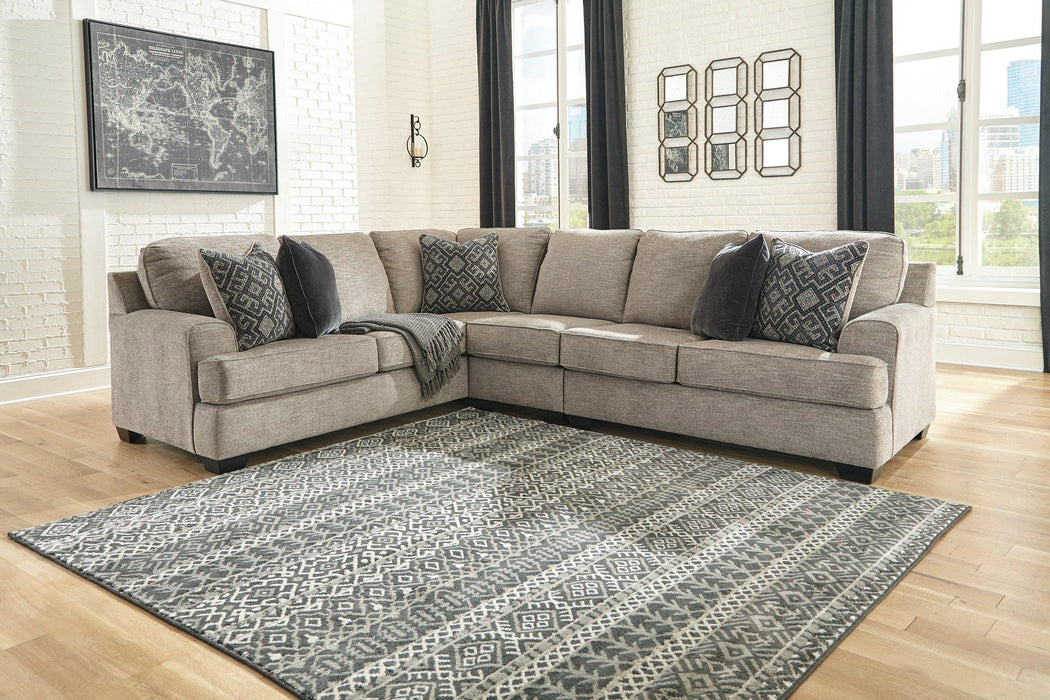
Rooms feel calm year-round when clutter is controlled. Storage furniture lets you hide heavier winter textiles during summer and tuck away holiday decor in the off-season, keeping your space fresh without a dedicated storage closet.
|
Piece |
Capacity/Function |
|---|---|
|
Storage ottomans |
Fits 2–3 throw blankets, extra pillows, winter slippers |
|
Media console with drawers (60”–72” long) |
Games, remotes, seasonal decor, candles |
|
Console table with cabinets |
Table linens, vases, holiday items |
|
Coffee table with hidden storage or lift-top |
Kids’ toys, magazines, board games (holds 20–30 lbs) |
|
Closed credenza or sideboard |
Larger seasonal items, extra textiles |
The goal is at least one major storage piece (like a 60”–72” media console or dining room-style credenza) plus one or two smaller helpers (baskets, lidded boxes, storage ottomans).
Here’s a practical example: A coffee table with hidden storage can hold kids’ toys in winter, keeping them accessible but out of sight, and frees floor space in summer by tucking away items when you want the room more open. The lift-top function (rising 8–10 inches) also creates a work surface for laptops or a dining table alternative for casual meals.
Traffic patterns shift with seasons. In winter, people cluster around the TV or fireplace. In summer, they may pass through toward patios, balconies, or gardens. Your seating arrangement should accommodate both without requiring major moves.
Identify the routes from doorways to:
The main seating cluster
Windows or sliding doors leading outdoors
Adjacent spaces like the dining room, kitchen, or hallways
Keep these main walkways at about 30”–36” wide. Avoid placing bulky furniture pieces directly in front of doorways or blocking the path to outdoor access points.
Flexible furniture placement rules:
Leave at least one “floating” piece, a lightweight chair, bench, or large chair, that can move seasonally
In winter, bring seating closer together in a U-shaped layout around the focal point
In summer, shift one or two pieces outward to open traffic flow
A symmetrical furniture arrangement works well as a stable base that small tweaks can adjust
Example seasonal layout shift for arranging furniture:
Winter: Two chairs face the sofa near the coffee table, creating an intimate conversation circle for TV watching
Summer: One chair rotates 45 degrees toward the window, shifting slightly out of the main traffic line to open the path toward outdoor access
This small adjustment, moving one piece a few inches or rotating it, changes the entire room's feel without buying new furniture or major rearrangement.
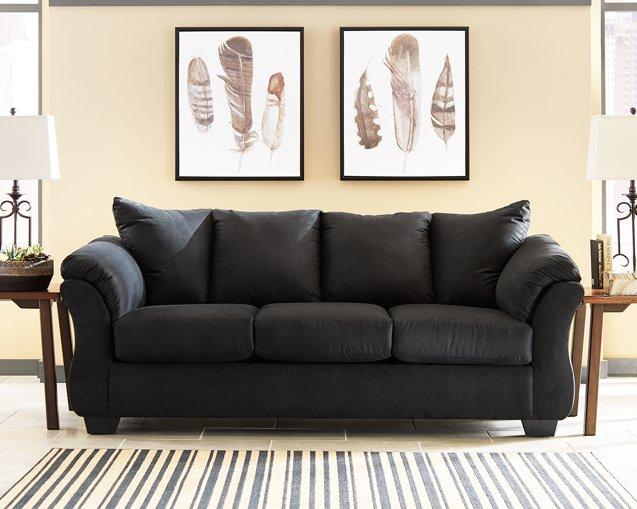
The beauty of selecting furniture with year-round functionality in mind is that your big pieces don’t need to change with the seasons. Only small, easy-to-store accent pieces should rotate, and even that should be minimal.
Your sofa, chairs, main rug, coffee table, and media console should stay neutral and timeless. These are long-term investments, not seasonal experiments. High-quality materials in mid-tone neutrals ensure 5–10 years of relevance before any refresh is needed.
|
Season |
Quick Swaps |
|---|---|
|
Spring/Summer |
Lightweight linen pillow covers, cotton throws, glass or shell decor on the coffee table |
|
Fall/Winter |
Wool or velvet pillow covers, chunky knit throws, candles, and branches on surfaces |
Store off-season textiles in the living room itself, inside storage ottomans or console cabinets, so switching is quick and realistic. If swapping requires a trip to the attic or basement, it probably won’t happen.
Wall decor and personal style: Keep wall art mostly timeless and non-seasonal. If you enjoy changing things up, designate one or two frames where art can rotate by season. But for most homeowners, stable wall decor with seasonal accent pieces on surfaces provides enough variety without the hassle.
The point is this: when your furniture foundation is chosen well, right scale, breathable performance fabrics, flexible seating options, proper seat height, solid hardwood or kiln-dried hardwood frames, small, manageable changes are all you need to make the room feel appropriate for any month.
Choosing living room furniture that works year-round comes down to four principles: prioritize how you actually live across all 12 months, measure your space carefully and plan flexible layouts, select mid-scale pieces in breathable materials, and build in adaptability with movable chairs, layered lighting, and smart storage.
Good year-round room furniture is about scale, materials, and adaptability, not constant buying and replacing. A thoughtfully chosen sofa with the right seat depth, a coffee table sized correctly, accent chairs that can swivel or rotate, and storage that hides seasonal items will serve you for years without feeling dated in summer or inadequate in winter.
Before purchasing any large piece, sketch your room and list your must-have functions. Use the dimensions and rules from this article as your shopping checklist: 80”–90” sofa width for typical rooms, 21”–23” seat depth, 30”–36” walkways, 16”–18” coffee table height. Check each potential purchase against these guidelines.
Start with one key decision, usually the sofa, since it’s your biggest investment and defines the room’s character. Choose mid-century modern simplicity or whatever personal style speaks to you, but ensure the dimensions and materials work for year-round use. Then build the rest of the room around it thoughtfully, adding seating, tables, and lighting that complement the foundation you’ve established. When you choose furniture once and choose it well, you’ll enjoy a living room that feels just right in January and July alike.
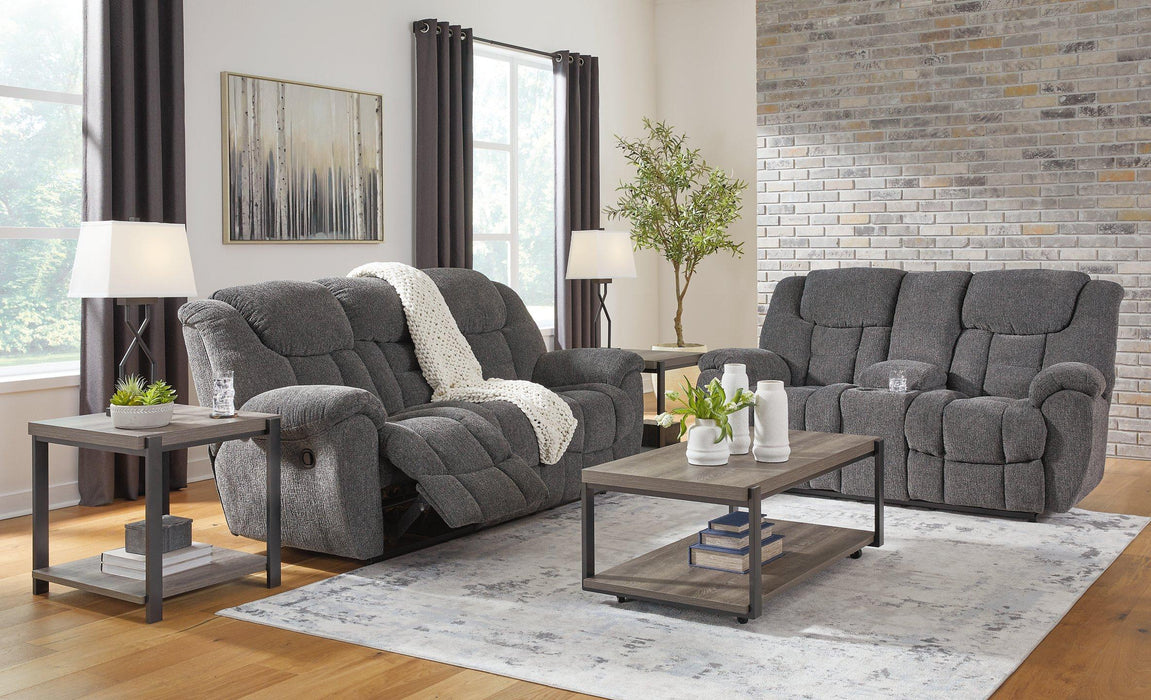
Your living room is the heart of your home, where comfort and everyday living come together. At Smokey Mountain Furniture Outlet, the living room furniture collection includes sofas, sectionals, recliners, chairs, and accent pieces designed to suit different spaces and styles. Each piece is selected for comfort, durability, and everyday functionality to help create a welcoming and relaxing environment.
Explore the living room furniture selection today and find the right pieces for your home. Whether you’re updating your seating area or furnishing a new space, Smokey Mountain Furniture Outlet offers a wide range of furniture options to help make your house feel more like home.
