
We Are Closed Wednesdays and Sundays

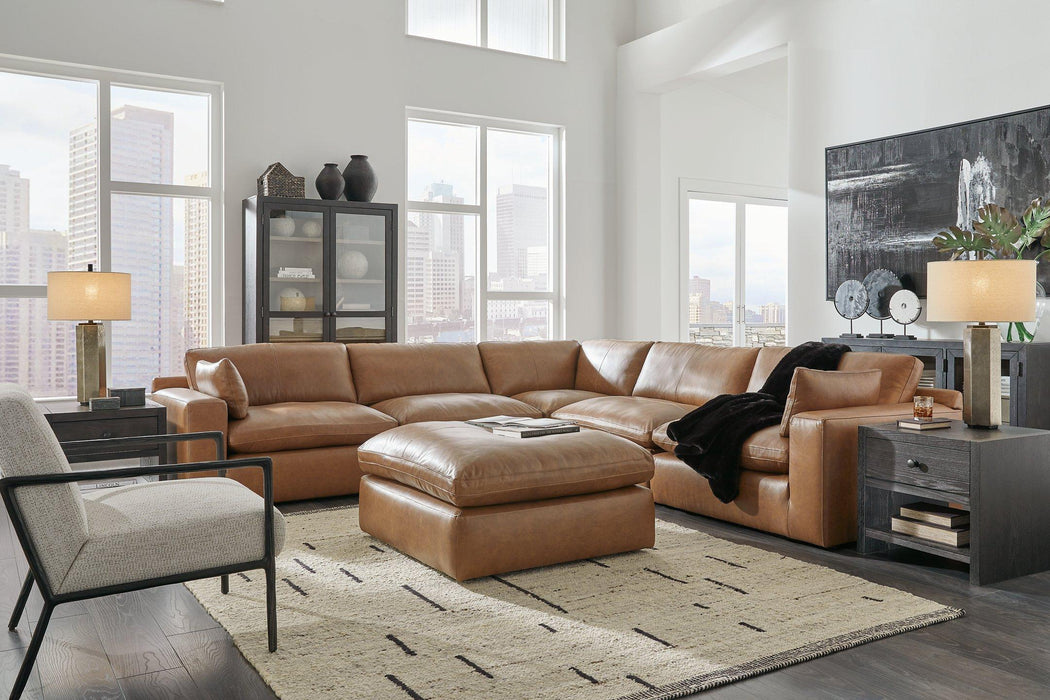
While most homeowners obsess over paint colors when redecorating their living room, research in environmental psychology reveals a surprising truth: your furniture choices wield far greater psychological power over mood than any color scheme ever could. The multibillion-dollar paint industry has convinced us that colors affect mood in dramatic ways, but the reality is that how you arrange and select your living room furniture creates deeper, more lasting emotional impacts through daily physical interactions and behavioral patterns.
This fundamental misunderstanding about what truly drives emotional well-being in our homes leads countless people to focus their energy and budget on the wrong design elements. An interior designer knows that while paint color might create an initial impression, furniture determines how you actually live, breathe, and feel in your space every single day. The difference lies in how your body and mind respond to multi-sensory, functional design choices versus purely visual stimulation.
Environmental psychology research consistently demonstrates that furniture impacts mood through continuous physical engagement, spatial behavior modification, and social interaction facilitation—mechanisms that operate far beyond the visual processing that governs our response to interior colors. Understanding this distinction can transform not just how your living room looks, but fundamentally how it makes you and your family feel.
The psychological impact of furniture extends far beyond aesthetics into the realm of daily life, functionality, and behavioral psychology. While paint provides visual backdrop, furniture creates physical boundaries that shape how people move through and use space, establishing patterns of interaction that directly influence emotional states. When you walk into a room, your brain immediately assesses where you can sit, how comfortable those options appear, and what activities the furniture arrangement suggests—all before consciously registering wall colors.
Research in design psychology shows that functional design elements like seating comfort affect mood more significantly than decorative color choices because they trigger multiple neurological pathways simultaneously. The tactile experience of sitting, touching, and interacting with furniture activates sensory receptors that send direct signals to emotional processing centers in the brain. This creates stronger, more memorable psychological associations than the primarily visual processing that occurs when observing wall paint.
Furniture arrangement directly influences social dynamics, conversation flow, and personal comfort zones in ways that paint cannot match. A thoughtfully arranged sectional sofa creates intimate conversation areas that promote family bonding and reduce social anxiety, regardless of whether the walls are painted in warm tones or cool colors. Conversely, even the most psychologically “perfect” paint color cannot compensate for furniture that forces awkward social positioning or physical discomfort.
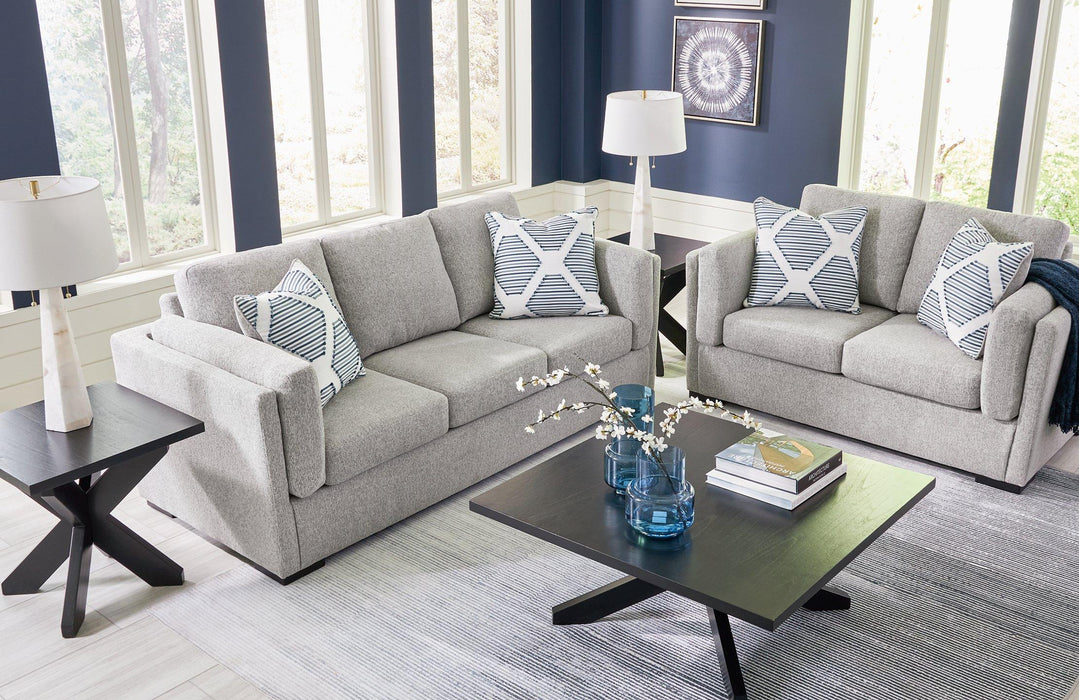
The temporal aspect also favors furniture’s psychological influence. While people tend to habituate to paint colors within weeks of application, furniture remains a constant physical presence that shapes posture, movement patterns, and social behaviors throughout each day. Your favorite color might lose its initial emotional impact through repeated exposure, but a supportive armchair continues providing physical comfort and associated mood benefits every time you sit in it.
Understanding how furniture and paint affect the brain differently reveals why one has significantly more power over daily mood and psychological effects than the other. Furniture engages multiple senses simultaneously—touch, proprioception, spatial awareness, and vision—while paint primarily affects vision alone. This multi-sensory engagement creates stronger neural pathways and more robust emotional memories, leading to a deeper psychological impact over time.
Physical comfort from well-chosen seating directly impacts cortisol levels and stress hormones in measurable ways. When your body maintains proper ergonomic support through quality furniture, stress-related physiological markers decrease, creating a cascade of positive mood effects. Research shows that people sitting in supportive, comfortable chairs experience lower blood pressure and reduced muscle tension compared to those in poorly designed seating, regardless of the surrounding paint color.
The brain’s adaptation mechanisms also work differently for furniture versus paint. Paint colors can be adapted to mentally over time as visual habituation occurs, diminishing their initial psychological impact. However, uncomfortable furniture creates persistent physical discomfort that the nervous system cannot simply tune out. Your brain cannot habituate to poor ergonomics or spatial constraints the way it adapts to color stimuli, making furniture’s mood influence more enduring.
Furniture occupies three-dimensional space and affects body posture in ways that directly correlate with emotional states, while paint exists only on flat surfaces as visual information. The weight, scale, and material presence of furniture creates subconscious feelings of stability or chaos that influence mood more profoundly than color psychology principles. A heavy wooden coffee table anchors a room psychologically, creating feelings of permanence and security, while a delicate glass table might promote feelings of fragility or impermanence.
Ergonomic furniture choices directly influence physical well-being through postural support, circulation enhancement, and pressure point relief. These physical benefits translate immediately into mood improvements as the body’s stress responses diminish. Quality seating that supports the natural spine curve reduces back pain and associated irritability, creating positive emotional associations with the space that persist regardless of wall color changes.
The material presence of furniture also affects spatial perception and psychological comfort in ways that paint cannot match. Large-scale furniture pieces like sectional sofas define territory and personal space, helping occupants feel psychologically grounded and secure. This three-dimensional impact shapes how people experience the entire room volume, influencing everything from claustrophobia to feelings of openness and freedom.
Furniture serves daily functional needs that paint cannot address, creating ongoing mood impacts through successful or frustrated task completion. Storage furniture reduces visual clutter and mental load more effectively than any calming paint color could achieve, as organized spaces directly correlate with reduced anxiety and improved focus. A well-designed media center with hidden cable management creates visual calm that no paint choice can replicate.
Comfortable seating enables relaxation and stress relief regardless of wall color, while beautiful walls cannot compensate for furniture that causes physical discomfort or limits functionality. The psychological principle of environmental fit explains why mood improvement requires alignment between human needs and environmental affordances—something furniture provides through functionality that paint simply cannot offer.
Specific examples demonstrate this functional superiority clearly. A well-designed sectional sofa with proper back support and arm height improves family bonding time by making extended conversations physically comfortable. Children gravitate toward spaces where they can sit comfortably, and adults relax more fully when their bodies are properly supported. These behavioral changes directly enhance mood and family dynamics in measurable ways that fresh paint alone never achieves.
Spatial psychology principles reveal that furniture layout creates distinct psychological zones within the living room that can dramatically influence emotional responses and stress levels. The strategic placement of seating, tables, and storage pieces establishes invisible boundaries and pathways that either promote psychological comfort or create subtle anxiety triggers. Proper furniture arrangement can reduce anxiety and promote feelings of safety and belonging by establishing clear sight lines, comfortable personal space, and logical traffic patterns.
Poor furniture placement creates stress through blocked pathways, awkward social dynamics, and spatial inefficiency that registers as low-level irritation in the subconscious mind. When furniture forces people to squeeze through tight spaces, sit at uncomfortable angles to one another, or navigate circuitous routes through the room, these physical frustrations accumulate into negative emotional associations with the space. Even excellent paint choices cannot overcome the psychological stress created by dysfunctional furniture arrangements.
Case studies from therapeutic design interventions demonstrate remarkable mood improvements achieved through furniture rearrangement alone, without changing any paint colors. In one documented example, a family struggling with teenage withdrawal and family tension saw significant improvement in communication and household harmony after repositioning their living room seating to create more intimate conversation areas and clearer pathways between spaces.
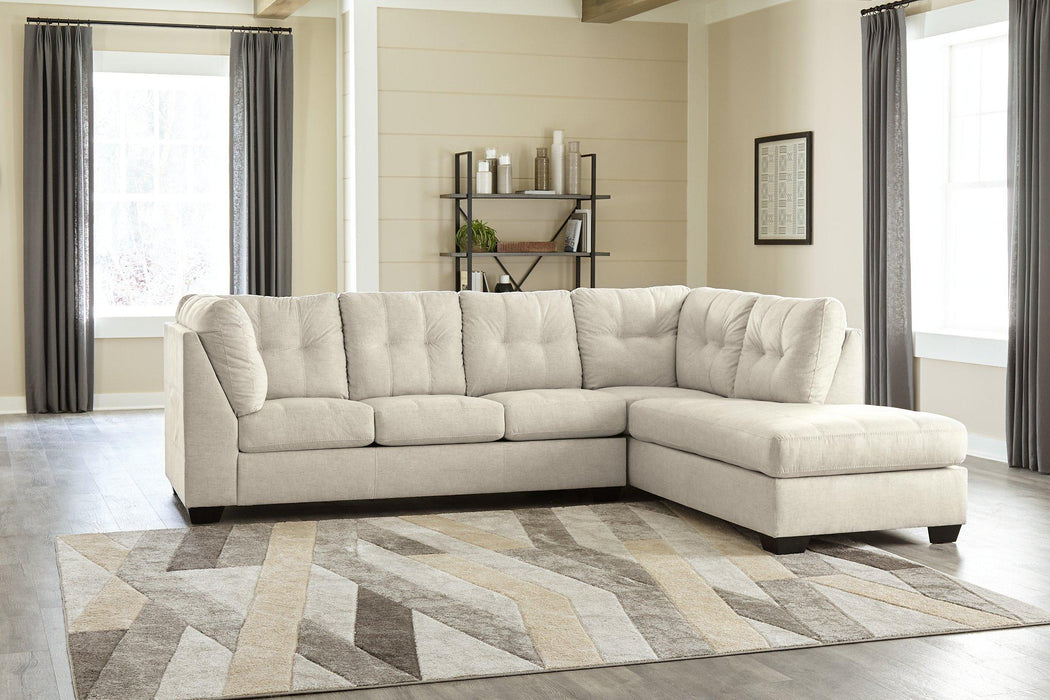
Scientific research on proxemics reveals that furniture positioned 6-8 feet apart optimizes comfortable conversation and reduces social anxiety by establishing the ideal distance for relaxed interpersonal communication. This spacing allows people to maintain eye contact without feeling overwhelmed by physical proximity, creating psychological conditions that promote openness and emotional connection. When seating falls outside this optimal range, conversations become strained and family bonding suffers regardless of how carefully chosen the wall colors might be.
Circular or U-shaped seating arrangements promote inclusivity and positive group dynamics by ensuring no family member feels excluded from conversations or relegated to peripheral seating positions. This furniture configuration reduces social hierarchy stress and creates egalitarian gathering spaces that enhance overall household emotional well being. The psychological impact of feeling included versus marginalized in family gatherings far outweighs any mood effects from paint color selection.
Side-by-side seating options like sectionals create more intimate, relaxed social interactions by reducing the pressure of direct face-to-face positioning while still enabling comfortable conversation. This arrangement particularly benefits families with teenagers or introverted members who find intense social positioning overwhelming. The furniture literally shapes social behavior in ways that support different personality types and communication styles, creating inclusive spaces that accommodate diverse emotional needs.
Environmental psychology research demonstrates that furniture blocking natural walking paths increases cortisol levels and creates subconscious tension that persists even when people aren’t actively moving through the space. The brain continuously monitors spatial navigation possibilities, and obstructed pathways register as mild threat stimuli that elevate stress hormones. Clear pathways around furniture promote feelings of freedom and reduce claustrophobia by maintaining the psychological option of easy movement and escape routes.
Strategic furniture placement guides movement patterns and creates calming, purposeful flow through the room that reduces decision fatigue and spatial confusion. When furniture arrangement creates obvious, logical pathways between entry points, seating areas, and functional zones, occupants experience reduced cognitive load and enhanced environmental comfort. This spatial clarity contributes to overall mood improvement and stress reduction in ways that no paint color can replicate.
Specific measurements matter significantly for psychological comfort. Maintaining at least 36 inches of walking space around major furniture pieces prevents the claustrophobic stress responses triggered by tight quarters, while 18-24 inches between seating pieces ensures adequate personal space without creating social distance. These precise spatial relationships directly influence daily stress levels and long-term emotional associations with the living space.
Individual furniture choices create cumulative psychological effects that far exceed the impact of any color palette in determining how a room feels emotionally. Different furniture categories affect distinct aspects of emotional well-being through their specific functional properties, material characteristics, and design features. Quality and style of key pieces influence daily mood more than paint color choices because they directly interface with human bodies and behaviors throughout each day.
The psychological impact varies significantly between furniture types, with seating pieces generally wielding the greatest mood influence due to extended daily contact time and postural effects. Storage furniture ranks second in mood impact through clutter reduction and organizational support, while accent pieces contribute primarily through aesthetic pleasure and personal identity expression. Understanding these hierarchical effects helps prioritize furniture investments for maximum emotional well-being improvement.
Research shows that upgrading furniture pieces produces more dramatic and lasting mood improvements than room repainting projects. In controlled studies, families report sustained increases in room satisfaction and daily contentment when investing in quality seating and storage solutions, while paint color changes typically produce only temporary mood elevation that diminishes through habituation within 4-6 weeks.
Recliners and ergonomic chairs directly reduce physical stress and promote relaxation hormones through proper body support and pressure point relief. The physiological benefits of quality seating translate immediately into improved mood as muscle tension decreases and circulation improves. Studies measuring cortisol levels show significant stress hormone reduction in participants using supportive seating compared to those in standard furniture, demonstrating measurable mood benefits that persist throughout extended sitting periods.
The distinction between firm and soft seating affects posture and energy levels throughout the day in ways that influence emotional states and productivity. Moderately firm seating promotes alert relaxation and maintains energy levels, while overly soft furniture can create sluggish feelings and postural problems that negatively impact mood. The optimal balance supports both physical comfort and psychological alertness, creating conditions that enhance both relaxation and engagement as situations require.
Swivel chairs and flexible seating options increase feelings of control and adaptability by allowing users to adjust their positioning and orientation according to changing needs throughout the day. This enhanced sense of environmental control correlates with reduced stress and increased satisfaction as people feel empowered to optimize their immediate surroundings. The psychological benefits of controllable environments significantly exceed any mood effects achieved through static paint color choices.
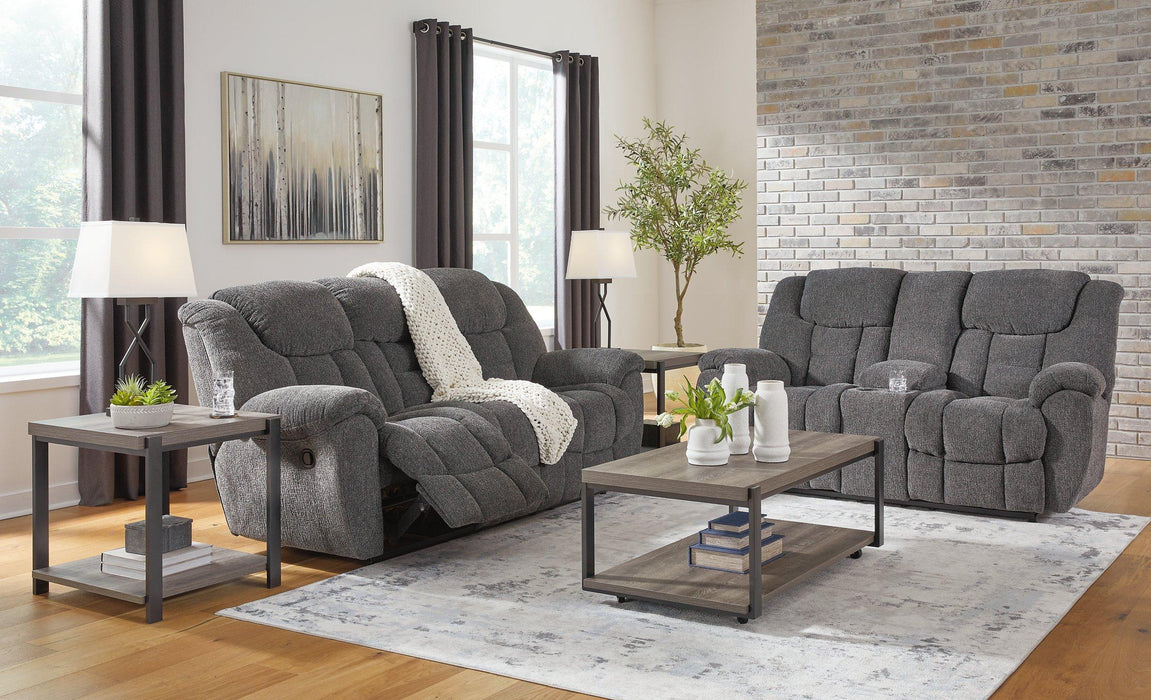
Built-in storage furniture reduces visual clutter in ways that directly correlate with reduced anxiety and improved mental focus. Research consistently demonstrates that organized environments support cognitive function and emotional well-being more effectively than any color psychology principles. When storage solutions successfully contain and organize daily items, the resulting visual calm creates psychological space for relaxation and creativity that cluttered environments prevent, regardless of paint color.
Ottoman storage and coffee tables with compartments provide hidden organization that calms the mind by maintaining visual simplicity while accommodating functional storage needs. These dual-purpose pieces address the psychological stress created by visible clutter without sacrificing accessibility or convenience. The mental clarity that results from organized storage directly improves mood and reduces the cognitive fatigue associated with chaotic environments.
The choice between open shelving and closed storage affects mental load and stress levels differently depending on individual personality types and lifestyle factors. Open shelving can create visual interest and display opportunities for some people while generating overwhelming stimulation for others. Closed storage generally provides more universal stress reduction benefits by maintaining visual calm while accommodating varying organizational preferences and daily living patterns.
The tactile psychology of furniture materials creates stronger emotional responses than visual color psychology because touch directly activates limbic system structures associated with emotional memory and comfort responses. Natural materials like wood and leather trigger positive emotional responses through biophilic connections that link humans to nature-based stimuli. These evolutionary responses occur at subconscious levels and influence mood more powerfully than conscious color preferences or aesthetic judgments.
Soft textures in upholstery activate comfort responses and reduce stress hormones through tactile stimulation that signals safety and relaxation to the nervous system. The physical sensation of sinking into plush fabrics triggers parasympathetic nervous system responses that lower heart rate and blood pressure, creating physiological calm that translates directly into improved emotional states. These touch-based mood effects persist throughout extended contact periods in ways that visual stimulation cannot match.
Cool materials like metal and glass affect energy levels and alertness differently than warm materials like wood, fabric, and leather. Cool materials tend to promote alertness and focus through subtle physiological stimulation, while warm materials encourage relaxation and comfort through different sensory pathways. Understanding these material psychology principles enables strategic furniture selection that supports desired emotional outcomes for different times of day and activities.
The combination of natural materials creates optimal psychological benefits through biophilic design principles that connect occupants to natural elements and seasonal rhythms. Wood furniture paired with natural fiber textiles provides both visual and tactile connections to nature that reduce stress and promote psychological restoration. This material strategy proves more effective for mood enhancement than any paint color selection because it engages multiple sensory systems simultaneously while providing ongoing tactile comfort.
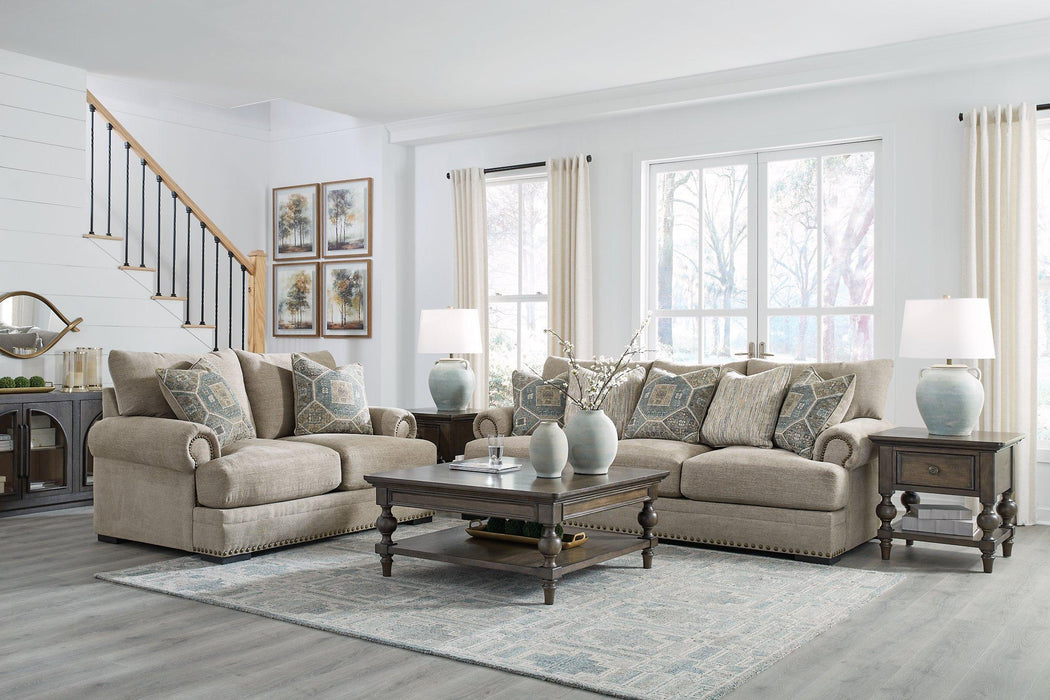
Strategic furniture layout principles based on environmental psychology research provide actionable frameworks for optimizing emotional well-being through spatial design. The 60-30-10 rule, traditionally applied to color schemes, adapts effectively to furniture scale and proportion by allocating 60% of visual weight to major pieces, 30% to medium-scale furniture, and 10% to accent pieces. This proportional balance creates visual harmony that reduces cognitive load and promotes psychological comfort.
Symmetrical furniture arrangements affect feelings of stability and order by creating predictable visual patterns that reduce subconscious stress responses. However, asymmetrical arrangements can promote creativity and visual interest when balanced properly through strategic weight distribution and sight line management. The choice between symmetrical and asymmetrical layouts should align with the desired psychological outcomes and the personality types of primary room users.
Creating focal points through furniture placement reduces visual chaos and promotes mental clarity by giving the eye clear destinations and organizing principles. A well-positioned sectional sofa or entertainment center can anchor a room psychologically while secondary furniture pieces support and enhance the primary focus. This hierarchical organization supports cognitive processing and emotional comfort more effectively than paint colors, which cannot create the same level of spatial organization and visual structure.
The psychological principle of prospect and refuge explains why furniture arrangement should provide both open sight lines for security assessment and enclosed seating areas for psychological safety. Balancing open space with defined territories addresses fundamental human spatial needs that influence stress levels and comfort. Strategic furniture placement can create these essential spatial conditions regardless of room size or architectural constraints.
Implementing evidence-based furniture strategies provides immediate and lasting mood enhancement benefits that exceed the psychological impact of paint color changes. Budget-friendly furniture swaps often deliver greater emotional well-being improvements than expensive remodeling projects by addressing fundamental comfort and functionality issues. Prioritizing seating comfort, storage efficiency, and traffic flow optimization creates cumulative mood benefits that compound over time through daily use patterns.
Seasonal furniture adjustments allow rooms to adapt to changing emotional needs throughout the year without requiring permanent changes or significant expense. Adding throw pillows, rotating accent chairs, or adjusting lighting can shift room mood to support different seasonal activities and energy levels. These flexible strategies provide ongoing mood optimization capabilities that static paint colors cannot offer.
Specific product recommendations should focus on furniture pieces that offer the greatest mood enhancement potential per dollar invested. Quality seating, effective storage solutions, and flexible accent pieces typically provide superior psychological returns compared to expensive statement pieces or trendy items with limited functionality. The goal should be creating furniture foundations that support emotional well being through excellent function rather than temporary visual impact.
Before-and-after case studies consistently demonstrate that furniture-focused room changes produce more dramatic and lasting mood improvements than paint-centered renovations. In one documented example, a family replaced their oversized sectional with appropriately scaled seating, added storage ottomans, and repositioned pieces to improve traffic flow. The result was increased room usage, improved family interaction, and enhanced daily satisfaction—outcomes that persisted for years beyond the initial changes.
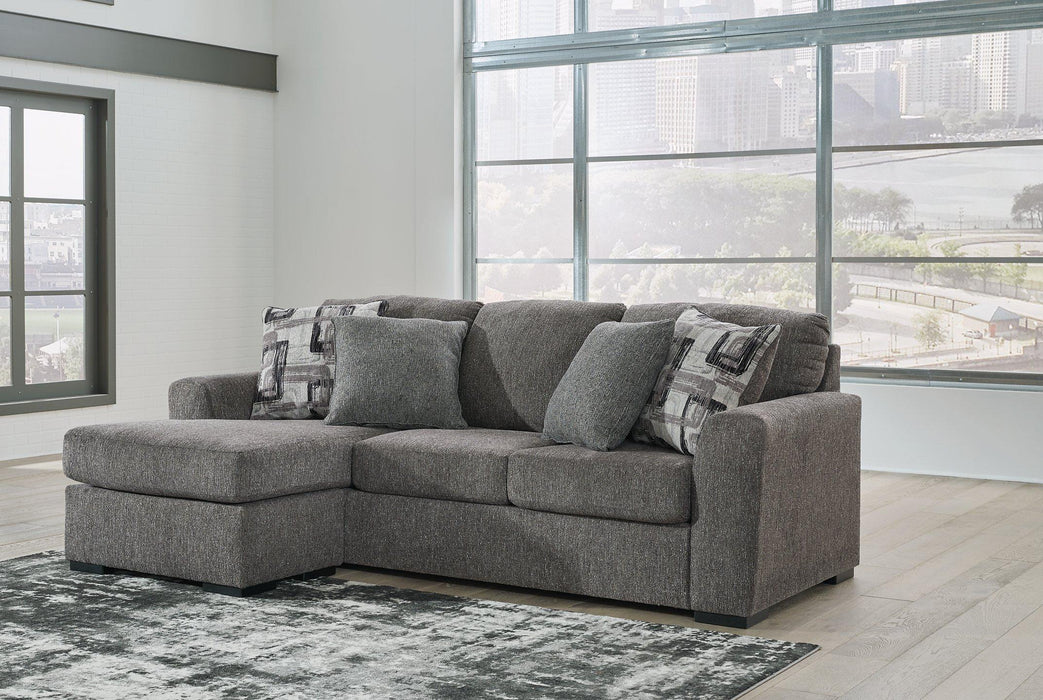
When designing for mood enhancement, remember that your living room serves as a high-use, high-social zone where design choices create outsized emotional impact. While an accent wall or bold color might provide temporary visual interest, the furniture you choose and how you arrange it will shape how you feel in your space every single day. Investing in comfort, functionality, and thoughtful spatial design creates lasting mood benefits that grow stronger over time rather than fading through habituation.
The power of furniture to transform mood lies in its ability to serve as emotional infrastructure rather than decorative overlay. Unlike paint, which exists primarily as visual information, furniture creates the physical framework within which daily life unfolds. By understanding this fundamental difference and applying evidence-based design psychology principles, you can create living spaces that actively support emotional well being, reduce stress, and enhance quality of life for everyone who uses them.
From selecting ergonomic seating that supports physical comfort to arranging pieces that facilitate social connection, every furniture decision either supports or undermines your psychological comfort. The choice of whether to prioritize visual aesthetics through paint color or functional excellence through thoughtful furniture selection ultimately determines whether your living room becomes a source of daily stress or a foundation for emotional restoration and family bonding.
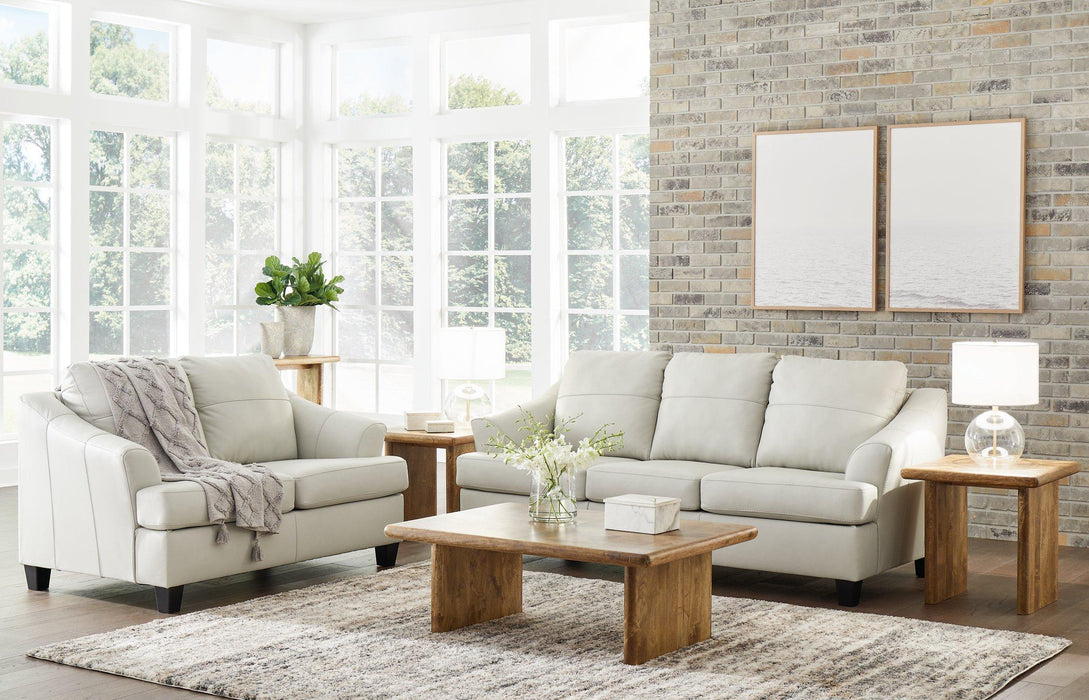
Living room furniture can influence your mood just as much—or even more—than the color of your walls. We know that comfortable, well-chosen pieces create a sense of relaxation, warmth, and balance that transforms how you feel in the space.
Seating, tables, and layout all affect how you interact with your living room. Our team often reminds customers that furniture that fits the room and your lifestyle can encourage socializing, calm, and comfort in ways that paint alone cannot.
When you’re ready to enhance your living space, we’re here to help. At Smokey Mountain Furniture, we offer living room furniture that combines style, comfort, and functionality to create a mood that truly makes your home feel welcoming.
